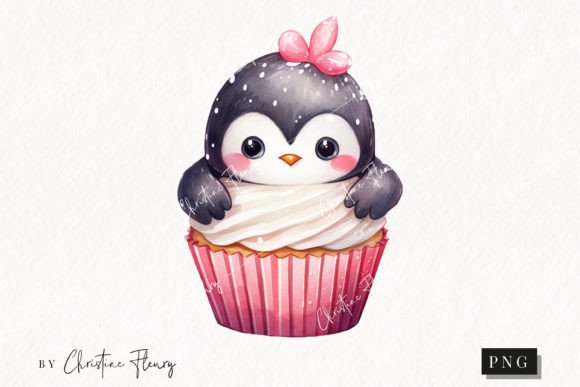
Cute Christmas Penguin Clipart: Designer Review
As a graphic designer who spends countless hours curating assets for client projects, I have developed a keen eye for what makes a graphic design asset truly viable. It is not just about cuteness; it is about versatility, technical quality, and how well the element integrates into a broader brand identity. Recently, I had the opportunity to review the Cute Christmas Penguin Cupcake Clipart for an upcoming seasonal campaign for a local boutique bakery. The client needed visuals that balanced professional polish with approachable holiday charm. Here is my practical assessment of how this asset performs in real-world creative design scenarios.
First Impressions and Visual Mood
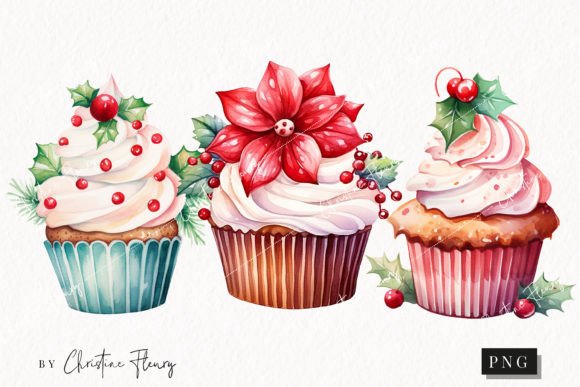
The immediate impact of the Cute Christmas Penguin Cupcake Clipart is one of warmth and whimsy. The illustration style leans heavily into a hand-drawn aesthetic, which is currently trending in the creative marketplace. For designers, this is crucial because overly sterile vector art can sometimes feel cold or corporate. This asset, however, brings a softness that invites engagement. The penguin character is rendered with clean lines but retains a playful imperfection that suggests authenticity. When paired with the cupcake motif, the visual narrative becomes clear: celebration, sweetness, and winter joy.
This mood is particularly effective for clients in the food and beverage industry, handmade goods sector, or children’s entertainment. It creates an emotional connection quickly, which is essential for marketing visuals where you have only seconds to capture attention. The color palette, typically featuring festive reds, greens, and icy blues against a neutral background, provides a strong foundation for further customization.
Versatility in Real Client Projects
In my experience, a single illustration must work across multiple touchpoints. I tested this clipart in various formats to see where it shines. For packaging design, such as cookie boxes or cupcake liners, the asset works beautifully as a central hero graphic. Its bold outlines ensure it remains visible even when printed on textured paper. For product labels, it serves as an excellent focal point that draws the eye to the brand name without overwhelming it.
Beyond physical products, this asset is highly effective for digital applications. I integrated it into social media graphics for Instagram and Pinterest, where it performed well as a decorative accent. The transparent background of the PNG design allows for seamless layering over photos or solid colors. For clients using Canva, this type of Canva template friendly asset saves hours of design time. It also translates well to web design elements, such as header banners or blog post featured images, adding a seasonal touch to otherwise standard layouts.
For those in the print-on-demand space, this clipart is ideal for t-shirt design and tote bags. The simplicity of the lines ensures that screen printing or direct-to-garment printing processes will reproduce the image clearly. Similarly, for Cricut project enthusiasts and Etsy product sellers, the potential for converting this into a sticker design or vinyl cut is high, provided the source file is high-resolution or vector-based.
Strategic Placement and Visual Hierarchy
Understanding where to place this asset is key to maintaining visual hierarchy. In large layout areas, such as poster designs or flyer headers, the Cute Christmas Penguin Cupcake Clipart can stand alone as the primary visual. However, in crowded layouts, it should be used sparingly. I recommend using it as a supporting element rather than competing with heavy text blocks. For instance, placing it in the corner of an invitation or as a bullet point icon in a newsletter can add charm without disrupting readability.
Designers should be cautious when using this asset on complex backgrounds. Low-contrast designs can cause the details of the penguin’s features to get lost. Always test the asset on both light and dark backgrounds. If the client’s small business branding relies on minimalist aesthetics, ensure that the whimsical nature of the clipart aligns with their brand voice. It may not suit high-end luxury brands but is perfect for approachable, family-oriented businesses.
Technical Considerations for Professional Use
Before delivering any final files to a client, I perform a series of technical checks. First, I inspect the file formats. A high-quality digital product should offer both PNG and SVG options. The SVG design format is critical for scalability, allowing the image to be resized infinitely without pixelation. This is essential for large format prints like banners or small details like business cards.
I also test the asset in black and white. This helps determine if the line weight is consistent and if the design holds up without color. For sublimation design, color vibrancy is key, so I check the saturation levels to ensure they print true to screen. Additionally, I review the transparency of the PNG files to ensure there are no jagged edges or unwanted white halos around the illustration.
Typography pairing is another important consideration. This clipart pairs well with rounded sans serif fonts for a modern look, or handwritten script fonts for a more personal, handmade feel. Avoid pairing it with rigid, geometric display fonts, as this can create a visual disconnect. The goal is to maintain brand consistency and ensure that all elements feel like part of a cohesive whole.
Licensing and Commercial Viability
Finally, always confirm the licensing terms. For client work, a commercial license is non-negotiable. Ensure that the asset can be used in end-products that are sold, such as printable design sheets, physical merchandise, or digital templates. Many designers overlook this step, leading to legal issues down the line. Using properly licensed design assets protects both the designer and the client, ensuring that the final commercial design is not only beautiful but also legally sound.
In conclusion, the Cute Christmas Penguin Cupcake Clipart is a versatile and charming addition to any designer’s toolkit. When used strategically, it enhances editorial design, boosts engagement in social media graphics, and adds value to product mockups. By paying attention to technical details and contextual placement, designers can leverage this asset to create polished, professional, and emotionally resonant visuals for their clients.