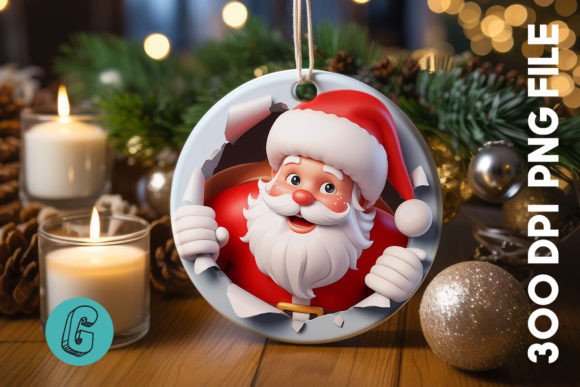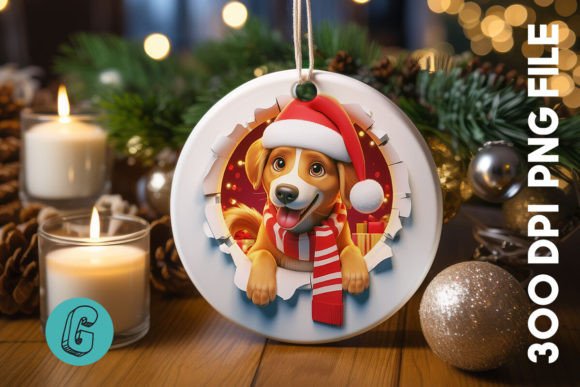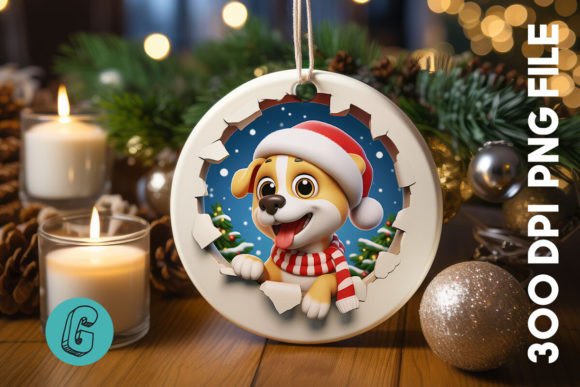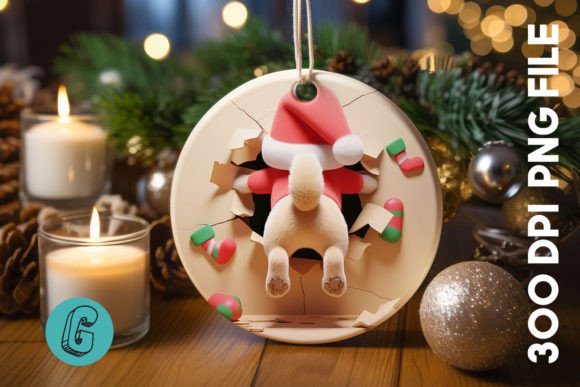
Reviewing 3D Cute ELF Christmas Ornament F 134 for Holiday Projects
As we move deeper into the holiday season, the pressure mounts for Etsy sellers and craft business owners to deliver fresh, high-quality items that stand out in a saturated market. I recently pulled the 3D Cute ELF Christmas Ornament F 134 from my library of design assets to evaluate its potential for real-world application. This is not just about downloading a digital embroidery file; it is about understanding how a design translates from screen to fabric, how it holds up under the needle, and whether it adds genuine value to a finished product.
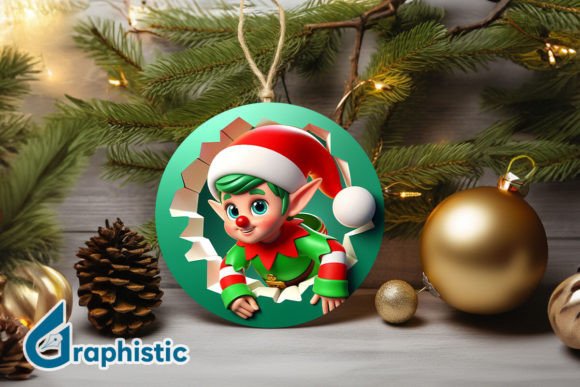
The first impression of this piece is undeniably charming. Categorized under Illustrations, the design leans heavily into a whimsical, storybook aesthetic. The elf character is rendered with a playful posture, suggesting movement and joy rather than static rigidity. For a designer, this is crucial. Static characters often look stiff when embroidered, but the dynamic lines in 3D Cute ELF Christmas Ornament F 134 suggest a lively personality that appeals immediately to customers looking for holiday embroidery with heart.
Visual Appeal and Stitch Clarity
When evaluating any machine embroidery design, I look closely at the balance between detail and stitchability. This elf design appears to utilize a smart mix of satin stitch for outlines and defining features, paired with fill stitch for the broader areas of the hat and clothing. This combination is vital for maintaining clarity. If a design relies too heavily on dense fills without proper underlay or spacing, the fabric can pucker, ruining the handmade product presentation.
The "3D" aspect mentioned in the title likely refers to the layering effect achieved through color blocking and shadow simulation within the stitching pattern. In practice, this means the design pops off the fabric, creating a tactile depth that flat prints cannot achieve. For a small shop product, this tactile quality increases perceived value. Customers are willing to pay more for items that feel substantial and carefully crafted. The visual personality of the elf is soft yet distinct, making it an excellent candidate for projects where emotional connection drives sales, such as personalized gifts for children or nostalgic decor for adults.
Real-World Application: From Totes to Sweatshirts
To truly test the versatility of 3D Cute ELF Christmas Ornament F 134, I considered several common embroidery project scenarios. The most immediate application that came to mind was a festive tote bag design. Canvas tote bags are staples for holiday gift-giving, and placing this elf centrally on a natural cotton canvas creates a striking contrast. The bright thread colors typically associated with elf costumes—reds, greens, and skin tones—stand out beautifully against neutral backgrounds.
Another strong contender is sweatshirt embroidery. A crewneck sweatshirt featuring this elf on the left chest or as a larger back piece offers a cozy, boutique vibe. However, working with knit fabrics requires attention to stitch density. If the design is too dense, it can restrict the stretch of the fabric, making the garment uncomfortable. I recommend testing the design on scrap fabric similar to your final garment to ensure the stitches do not pull or distort the material. For custom apparel, comfort is just as important as aesthetics.
For those focusing on baby embroidery, this design could be adapted for onesies or bibs, provided the size is scaled appropriately. Soft, baby-safe threads and a gentle touch are essential here. The cute nature of the elf aligns perfectly with nursery themes, making it a potential bestseller for holiday gifts aimed at new parents. Additionally, consider using this design for an embroidered patch. Patches are versatile; they can be ironed onto jackets, hats, or bags, allowing customers to customize their own items. This expands the utility of your commercial embroidery offerings without requiring you to stock multiple garment types.
Navigating Fabric and Hoop Constraints
While 3D Cute ELF Christmas Ornament F 134 is visually appealing, it is not without its technical challenges. Designers must be cautious when applying this to textured fabrics or thin materials. On textured towels or waffle-weave fabrics, small details might get lost in the weave. In such cases, using a cut-away stabilizer is non-negotiable to provide a smooth surface for the needle. For thin or stretchy fabrics, a lightweight tear-away or wash-away stabilizer might suffice, but always test first.
Hoop size is another critical factor. Ensure that the design fits comfortably within your available hoop dimensions without encroaching on the edges. Embroidering too close to the hoop edge can cause machine errors or uneven stitching. If you are working on curved surfaces like caps, the design may need to be digitized specifically for that contour, or you must use a cap frame and adjust the pull compensation settings. Do not assume a standard flat embroidery file will work perfectly on a curved surface without adjustments.
Dark fabrics present another consideration. If you plan to stitch this elf on black or navy fabric, you must check the thread colors for sufficient contrast. Sometimes, designs intended for light fabrics include dark outlines that disappear on dark backgrounds. In these instances, you may need to edit the color sequence in your software or add a white underlay to make the colors pop. Testing the design in black and white mockups can help you visualize contrast issues before you waste thread and fabric.
Commercial Viability and Brand Consistency
For small business owners and Etsy sellers, consistency is key to building brand trust. 3D Cute ELF Christmas Ornament F 134 fits well within a broader collection of holiday-themed Illustrations. Using consistent design styles across your product line helps customers recognize your brand. Whether you are selling printable mockup previews or physical custom apparel, the professional finish of this design enhances your reputation.
Before listing any finished product featuring this design, confirm the licensing terms. Most commercial digital embroidery files allow you to sell physical items made with the design, but restrictions may apply to mass production or digital redistribution. Always read the license agreement provided by the designer. Protecting your business from copyright issues is as important as selecting the right thread color.
Practical Designer Notes for Best Results
- Test on Scrap Fabric: Never stitch a new design directly on your final product. Use scraps of the same fabric and stabilizer combination to check for puckering, thread breaks, or registration issues.
- Check Thread Contrast: Verify that your chosen thread colors provide enough contrast against your fabric background, especially for small details like the elf’s eyes or buttons.
- Review Stitch Density: If the design feels too stiff after stitching, consider reducing the density in your editing software or using a lighter weight stabilizer.
- Confirm Hoop Size: Ensure the design fits within your hoop with adequate margin for clamping and movement.
- Inspect Small Details: Zoom in on the digitized file to check for tiny jumps or unnecessary trims that could slow down production or affect quality.
- Use Proper Stabilizer: Match the stabilizer to the fabric type. Cut-away for knits and stretchy materials, tear-away for stable woven fabrics.
- Verify Licensing: Confirm that your purchase includes commercial use rights if you plan to sell items made with 3D Cute ELF Christmas Ornament F 134.
In conclusion, 3D Cute ELF Christmas Ornament F 134 is a strong contender for your holiday lineup. Its playful mood, balanced stitch structure, and versatility across various handmade product categories make it a valuable addition to your library. By approaching it with a critical eye for technical details and fabric compatibility, you can ensure that every item you produce meets the high standards your customers expect. Happy stitching.