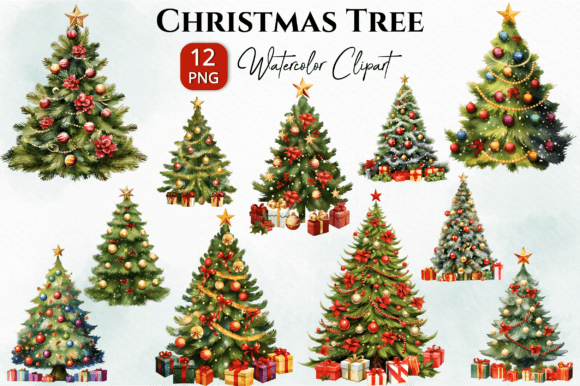
Reviewing Christmas Snowflake Watercolor Clip Art for Embroidery
As a designer who spends more time staring at stitch simulations than I do sleeping, I have learned to look past the glossy preview images. When I first opened the Christmas Snowflake Watercolor Clip Art file, my initial reaction was cautious appreciation. The aesthetic is undeniably charming—soft edges, blended hues, and that distinct organic feel of watercolor painting. However, translating digital Illustrations into thread is a different beast entirely. This review breaks down how this specific design performs when moved from the screen to the needle, focusing on real-world application for crafters, Etsy sellers, and boutique owners.
The Visual Personality and First Impressions
The mood of this design is gentle and nostalgic. Unlike sharp, geometric vector snowflakes that scream "modern minimalism," this watercolor style evokes warmth. For an embroidery project, this translates well into items meant to feel cozy and handmade. The layout avoids excessive symmetry, which is a double-edged sword in machine embroidery. While it looks artistic, the varying line weights and soft gradients require careful interpretation by your embroidery software.
I immediately considered where this visual personality fits best. It does not belong on a high-performance athletic cap or a rugged workwear jacket. Instead, it naturally gravitates toward soft, textured fabrics like linen, cotton blends, and fleece. If you are creating a personalized gift or a holiday embroidery piece for a nursery, this design hits the right emotional note. It feels intentional and curated, rather than mass-produced.
Real-World Application: The Tote Bag Test
To test the viability of this asset, I simulated its use on a canvas tote bag design. This is a common product for small shop owners and craft fair vendors. The challenge with watercolor-style graphics is maintaining the "softness" without losing definition. In embroidery, we achieve this through a combination of fill stitch techniques and strategic running stitch outlines.
On a tote bag, the fabric texture can compete with the design. I found that this particular snowflake works best when scaled up slightly. If kept too small, the subtle color transitions of the watercolor effect get lost in the stitch density. For a handmade product intended for daily use, clarity is key. Customers need to recognize the motif from a distance. When digitized correctly, with varied thread colors mimicking the watercolor bleed, the result on canvas is sophisticated. It elevates a simple bag into a boutique-level item.
Sweatshirts and Soft Apparel
Moving to apparel, I evaluated the design for sweatshirt embroidery. Here, the plush texture of fleece or French terry cloth acts as a natural diffuser, which actually helps the watercolor aesthetic. The soft fibers of the fabric blend with the soft edges of the design. However, you must be mindful of stitch density. A dense fill on a sweatshirt can cause puckering, ruining the drape of the garment. I recommend using a lighter fill pattern or incorporating open spaces to let the fabric breathe. This approach ensures the custom apparel remains comfortable and durable after washing.
Technical Considerations for Embroidery Designers
While the artistic merit is high, the technical execution requires diligence. Watercolor effects rely on gradients, but embroidery threads are solid colors. To replicate this look, you must use multiple thread shades and blend them carefully. This increases the number of color changes and potentially the production time. For an Etsy seller managing inventory, this is a crucial factor. Can you produce this efficiently? If the design requires ten color stops for a single snowflake, it may not be viable for high-volume orders unless you price accordingly.
Furthermore, consider the hoop size. This design likely requires a medium to large hoop to capture the nuances of the watercolor spread. Attempting to cram it into a 4x4 inch hoop might result in a loss of detail, turning those delicate washes into a blob of thread. Always check the recommended dimensions in the digital embroidery file documentation before purchasing or committing to a project.
Fabric and Stabilizer Choices
The choice of stabilizer is non-negotiable here. Because watercolor designs often have irregular shapes and varying densities, proper stabilization prevents distortion. For woven fabrics like cotton or linen, a cut-away stabilizer provides the necessary support. For knits, such as those used in baby embroidery projects, a tear-away might suffice if the design is light, but I strongly advise testing on scrap fabric first. The last thing you want is a distorted snowflake on a customer’s heirloom blanket.
Dark fabrics present another hurdle. Watercolor art typically relies on white space and light tones. Stitching this on black navy fabric requires a solid underlay or a background fill, which significantly changes the look and feel. It loses its airy, watercolor quality and becomes a solid patch. Therefore, this design is best suited for light or medium-toned fabrics where the thread colors can shine without competing against a dark background.
Commercial Viability and Brand Consistency
For creative entrepreneurs, consistency is brand currency. Does this Christmas Snowflake Watercolor Clip Art fit your existing catalog? If your brand is known for bold, pop-art styles, this might feel out of place. However, if your small shop product line focuses on rustic, vintage, or soft aesthetics, this design is a strong addition. It enhances perceived value because it looks like an original illustration rather than a generic clipart insert.
When creating printable mockup assets for your online store, ensure the digital representation matches the stitched reality. Misleading previews lead to returns and negative reviews. Use high-quality photos of the actual stitched item on relevant products like pillow covers, tea towels, or aprons. Show the texture. Let the customer see how the thread catches the light. This transparency builds trust and reduces hesitation in the buying process.
Final Verdict and Practical Advice
In conclusion, the Christmas Snowflake Watercolor Clip Art is a versatile asset for the right project. It excels in home decor and soft apparel where its gentle aesthetic can be fully appreciated. It is less suitable for small, detailed applications like embroidered patch work on hats or intricate monograms where clarity is paramount.
- Test extensively: Always stitch out on your specific fabric type before selling.
- Check licensing: Confirm whether the design assets allow for commercial use of finished goods.
- Manage expectations: Educate customers that thread cannot perfectly replicate watercolor paint, but it offers a unique tactile beauty.
- Optimize density: Adjust stitch settings to prevent puckering on stretchy or thin materials.
For the experienced designer, this design offers a rewarding challenge in digitization and material selection. For the hobbyist, it provides a beautiful starting point for holiday gifts. Just remember that the success of the finished product depends less on the digital file and more on your execution, fabric choice, and attention to detail. Treat the design with respect, and it will elevate your craft business offerings significantly.