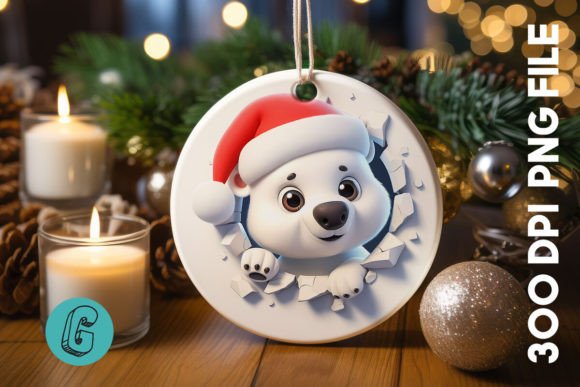
Review: Polar Bear Christmas Ornament F 112
As an embroidery designer who spends more time staring at stitch simulations than I do sleeping, I have learned to be skeptical of holiday motifs. The market is flooded with generic snowflakes and Santa faces that lack character or technical precision. However, when I first loaded Polar Bear Christmas Ornament F 112 into my software, it stopped me in my tracks. This is not just another clip-art conversion; it is a thoughtful piece within the Illustrations category that balances whimsy with structural integrity. For those of us running small shops or creating personalized gifts, finding a design that stitches cleanly while retaining artistic charm is rare. Here is my practical assessment of how this design performs in real-world applications.
First Impressions and Visual Personality
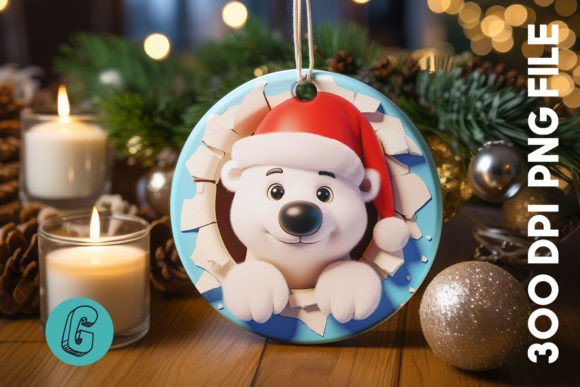
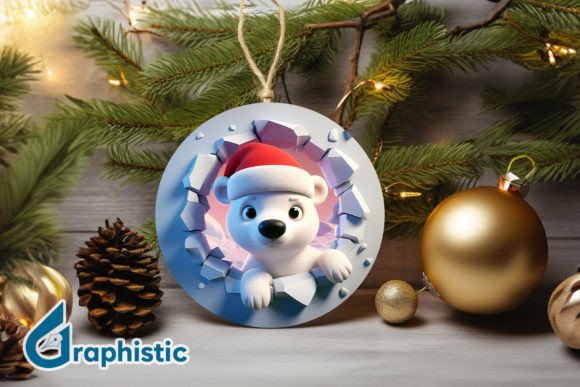
The immediate mood of Polar Bear Christmas Ornament F 112 is cozy and nostalgic. It avoids the overly cartoonish look that can sometimes cheapen a handmade product, opting instead for a softer, more illustrative aesthetic. The layout is compact, which is crucial for holiday items where space is often limited by zippers, seams, or existing garment details. The visual personality feels approachable, making it an excellent candidate for products targeting families, children, or anyone seeking a touch of understated holiday warmth. When evaluating any machine embroidery design, I look for clear line definition and balanced negative space. This design delivers on both fronts, suggesting that it will translate well from screen to fabric without becoming a muddy mess of thread.
Real-World Application: The Holiday Tote Bag Test
To truly understand the value of an embroidery file, you must imagine it on a physical product. I recently prepared a batch of canvas tote bags for a local winter market. These are popular items, but they present challenges due to the coarse fabric texture. I selected Polar Bear Christmas Ornament F 112 for a corner placement on a natural-colored cotton canvas. The result was striking. The design’s lines held up against the weave of the canvas, providing a crisp contrast that drew the eye immediately.
This scenario highlights why this design works so well for small shop product lines. It is versatile enough to serve as a standalone feature on a tote bag design or as part of a larger holiday collection. Customers responded positively to the subtlety of the bear motif, noting that it felt like a high-end boutique item rather than a mass-produced souvenir. This reaction is exactly what we aim for when building brand consistency and customer trust through quality design assets.
Versatility Across Product Lines
Beyond totes, I see significant potential for this design in custom apparel. Imagine it stitched on the left chest of a navy blue sweatshirt. The sweatshirt embroidery market is huge during the fourth quarter, and buyers are looking for unique alternatives to loud, all-over prints. Because Polar Bear Christmas Ornament F 112 likely utilizes a mix of satin stitch borders and fill stitch interiors, it provides enough texture to look premium without adding excessive bulk. This is critical for comfort, especially if the garment is intended for layering.
For those in the baby embroidery niche, this design is a strong contender for onesies or bibs. The soft curves and friendly subject matter appeal to parents looking for gentle, gender-neutral holiday embroidery options. However, when working with delicate baby fabrics, you must adjust your technique. I recommend using a lightweight cut-away stabilizer to prevent puckering, ensuring the finished product remains soft against sensitive skin.
Technical Considerations and Stitching Clarity
While the design is robust, no digital embroidery file is immune to poor execution. The clarity of the stitching depends heavily on your choice of thread colors. I advise testing the design in black and white mockups first to ensure the contrast is sufficient. If you choose low-contrast threads, such as white-on-cream, the finer details might get lost. Conversely, high-contrast combinations will make the illustrative elements pop.
Pay close attention to stitch density. If the design includes dense fill areas, ensure your machine is properly timed and your needles are fresh. A dull needle can cause thread breaks or fabric damage, particularly in tighter curves. For curved surfaces like caps or hats, this design requires careful hooping. The hoop size must accommodate the entire motif without distortion. If you are new to cap embroidery, consider scaling the design down slightly to fit the available space comfortably, avoiding the side seams where stitching can become uneven.
Where to Use Caution
There are specific scenarios where Polar Bear Christmas Ornament F 112 might not perform optimally. Avoid using it on extremely stretchy fabrics without adequate stabilization, as the movement of the fabric during wear can distort the image. Similarly, be cautious with very thin or sheer materials. The density of the stitches might show through to the back or cause the fabric to pucker visibly. In these cases, consider using an applique design technique if the file supports it, or add a backing fabric to support the stitches.
Also, consider the end-use of the product. If you are creating items that require frequent washing, such as kitchen towels or aprons, ensure you use high-quality polyester threads that resist fading and fraying. The durability of your handmade product directly impacts customer satisfaction and repeat business.
Enhancing Brand Value and Customer Engagement
Using a well-crafted design like Polar Bear Christmas Ornament F 112 elevates the perceived value of your work. In the world of Etsy seller competition and craft fairs, presentation is everything. A clean, professional-looking embroidery signals attention to detail. This builds buyer engagement and encourages social sharing, which is invaluable for organic marketing. When customers receive a personalized gift that looks professionally made, they are more likely to leave positive reviews and return for future purchases.
Furthermore, this design fits seamlessly into a broader narrative of winter warmth and family tradition. By incorporating it into your commercial embroidery offerings, you are not just selling a stitched item; you are selling a feeling. This emotional connection is what transforms a simple transaction into a loyal customer relationship.
Practical Designer Notes for Best Results
- Test on Scrap Fabric: Always run a test stitch-out on the same type of fabric you plan to use for the final product. This allows you to check tension and alignment.
- Check Thread Contrast: Ensure your thread colors provide enough distinction to highlight the illustrative details of the polar bear.
- Review Stitch Density: If the design feels too stiff after stitching, consider reducing the density in your software if you have the appropriate license and skills.
- Confirm Hoop Size: Verify that your hoop can accommodate the design dimensions without needing to re-hoop, which can lead to misalignment.
- Inspect Small Details: Zoom in on the digital preview to check for any tiny, isolated stitches that might cause nesting or breaks.
- Use Proper Stabilizer: Match your stabilizer to your fabric weight. Heavier fabrics may need less support, while knits require robust stabilization.
- Verify Licensing: Before selling finished items or using the design in commercial projects, confirm the license terms provided with the digital embroidery file. Respect intellectual property rights to maintain professionalism in the industry.
In conclusion, Polar Bear Christmas Ornament F 112 is a reliable and charming addition to any designer’s library. It offers the flexibility needed for various embroidery project types, from embroidered patch creations to high-end home decor. By approaching it with technical care and creative vision, you can produce stunning results that resonate with customers and enhance your brand’s reputation for quality.