Reviewing the Christmas Cute Fox Watercolor Clipart
As a designer who spends more time staring at stitch simulations than actual fabric, I have learned to be skeptical of digital assets that promise charm but deliver complexity. When I first opened the Christmas Cute Fox Watercolor Clipart, my initial reaction was one of cautious optimism. The watercolor aesthetic is undeniably trendy, offering a soft, organic feel that contrasts beautifully with the rigid geometry of machine embroidery. However, translating a fluid, painterly illustration into thread requires a keen eye for detail and a realistic understanding of what an embroidery machine can actually achieve.
The Visual Appeal and Design Personality
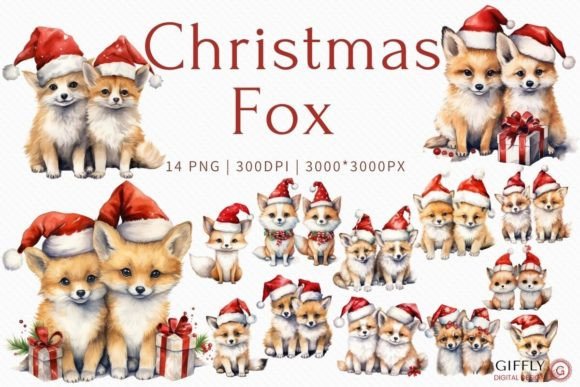
The mood of this design is immediately warm and inviting. It captures the whimsical spirit of the holiday season without relying on clichéd, heavy-handed motifs. The fox, rendered in soft washes of color, brings a sense of gentle nostalgia that appeals to a broad demographic. For embroidery designers and Etsy sellers, this visual personality is a significant asset. It fits seamlessly into the current market demand for cottagecore aesthetics, nursery decor, and boutique-style holiday gifts.
From a layout perspective, the composition feels balanced. The organic shapes of the watercolor style suggest a design that relies heavily on fill stitches to create depth and texture. This is crucial because flat, solid colors can often look sterile in embroidery. The variation in tone within the clipart hints at a need for careful thread selection to mimic that painted effect. If you are aiming for a high-end handmade product, this level of visual interest can elevate the perceived value of your finished product significantly.
Real-World Application: The Holiday Tote Bag Test
To truly evaluate the Christmas Cute Fox Watercolor Clipart, I mentally placed it into a real-world scenario: a custom holiday tote bag. Imagine a natural canvas tote, sturdy and unbleached, serving as the backdrop for this festive fox. The earthy tones of the canvas complement the watercolor palette, allowing the design to pop without appearing garish.
In this context, the design performs well as a central focal point. For a tote bag design, the scale needs to be substantial enough to show off the details but not so large that the stitch count becomes prohibitive or the fabric puckers. I envision this working beautifully as a sweatshirt embroidery piece as well, particularly on heather grey or cream-colored fleece. The softness of the watercolor look pairs naturally with the cozy texture of winter apparel. It is not just a graphic; it is a mood setter for a personalized gift that feels thoughtful and curated.
Considerations for Stitching and Fabric Choice
While the aesthetic is strong, the practical execution requires attention. Watercolor effects in embroidery are tricky. They often rely on subtle gradients, which machines simulate through varying thread colors and stitch angles. If you are using this as a machine embroidery design, you must check the stitch density. High-density fills on thin fabric can cause pulling and distortion. I strongly advise using a cut-away stabilizer for garments like t-shirts or sweatshirts to maintain the integrity of the design after washing.
Fabric texture plays a massive role here. On a smooth cotton or polyester blend, the details of the fox’s fur and the surrounding holiday elements will appear crisp. However, on textured fabrics like linen or heavy wool, some of the finer details might get lost. If you are creating an embroidered patch to be ironed on later, you have more control over the base material, ensuring the design looks exactly as intended. For baby embroidery projects, such as onesies or blankets, ensure the back of the stitching is covered or softened, as babies have sensitive skin.
Navigating Technical Challenges
There are specific scenarios where you should use the Christmas Cute Fox Watercolor Clipart with caution. Small hoop sizes are the enemy of detailed watercolor designs. If you attempt to shrink this design too much for a pocket-sized placement on a cap or a small ornament, the intricate transitions between colors may merge into a muddy mess. The hoop size must be appropriate for the level of detail in the embroidery file.
Additionally, consider the surface curvature. Embroidering on a curved surface like a baseball cap requires precise digitizing. If the design has large, dense areas of satin stitch or fill, it may pucker on the curved panel. In such cases, testing on scrap fabric is non-negotiable. You need to see how the threads lay on the specific material you are using. Dark fabrics present another challenge. If the watercolor design includes light pastel shades, they may not show up vibrantly against black or navy fabric unless the digitizer has included an underlay or if you choose to use a lighter base fabric.
Commercial Viability and Brand Consistency
For craft business owners and small shop product creators, consistency is key. This design fits well within a broader collection of Illustrations that focus on nature and holidays. Using this clipart across various products—from kitchen towels to pillow covers—can help establish a recognizable brand identity. Customers appreciate when a shop has a cohesive look. The friendly, approachable nature of the fox encourages buyer engagement and trust, making it an excellent choice for commercial embroidery projects aimed at the general public.
When creating printable mockup images for your online store, remember that the digital preview might look smoother than the stitched reality. Be honest in your product descriptions about the texture and look of the embroidery. This transparency builds customer trust and reduces returns. Whether you are selling the digital embroidery file itself or the physical custom apparel, clarity about the design’s characteristics is essential.
Practical Designer Notes for Best Results
Before you commit to producing a full batch of items, take these practical steps:
- Test on Scrap Fabric: Always run a test stitch-out on the exact fabric you plan to use. This reveals issues with tension, density, and color blending.
- Check Thread Contrast: Ensure your thread colors match the watercolor tones closely. A mismatch can make the design look disjointed.
- Review Stitch Density: If the design feels too stiff after stitching, consider adjusting the density settings in your software if you have the editable file, or choose a lighter fabric stabilizer combination.
- Inspect Small Details: Look closely at the eyes and nose of the fox. These small areas need to be clean and distinct. If they are messy, the whole design suffers.
- Verify Licensing: Before selling any finished product or design assets, confirm the license terms. Ensure you have the right to use the Christmas Cute Fox Watercolor Clipart for commercial purposes.
In conclusion, this design offers a charming, versatile option for holiday-themed projects. It requires thoughtful execution regarding fabric choice and stabilization, but the payoff is a unique, high-quality look that stands out in a crowded market. By respecting the technical limitations of embroidery while leveraging the artistic strengths of the watercolor style, you can create stunning pieces that resonate with customers and enhance your brand’s reputation.